Is Flexibility Decline With Age Actually Inevitable, or Mostly a Use-It-or-Lose-It Problem?
Quick Answer: Some flexibility decline with age has a genuine physiological basis (connective tissue naturally becomes somewhat less elastic over time), but research consistently shows that consistent stretching and mobility work at any age can substantially offset this decline, and much of the flexibility loss commonly attributed to aging alone is actually more directly explained by reduced regular movement and stretching frequency than by age itself.
This means flexibility decline is considerably more modifiable than the ‘inevitable aging’ framing usually suggests.
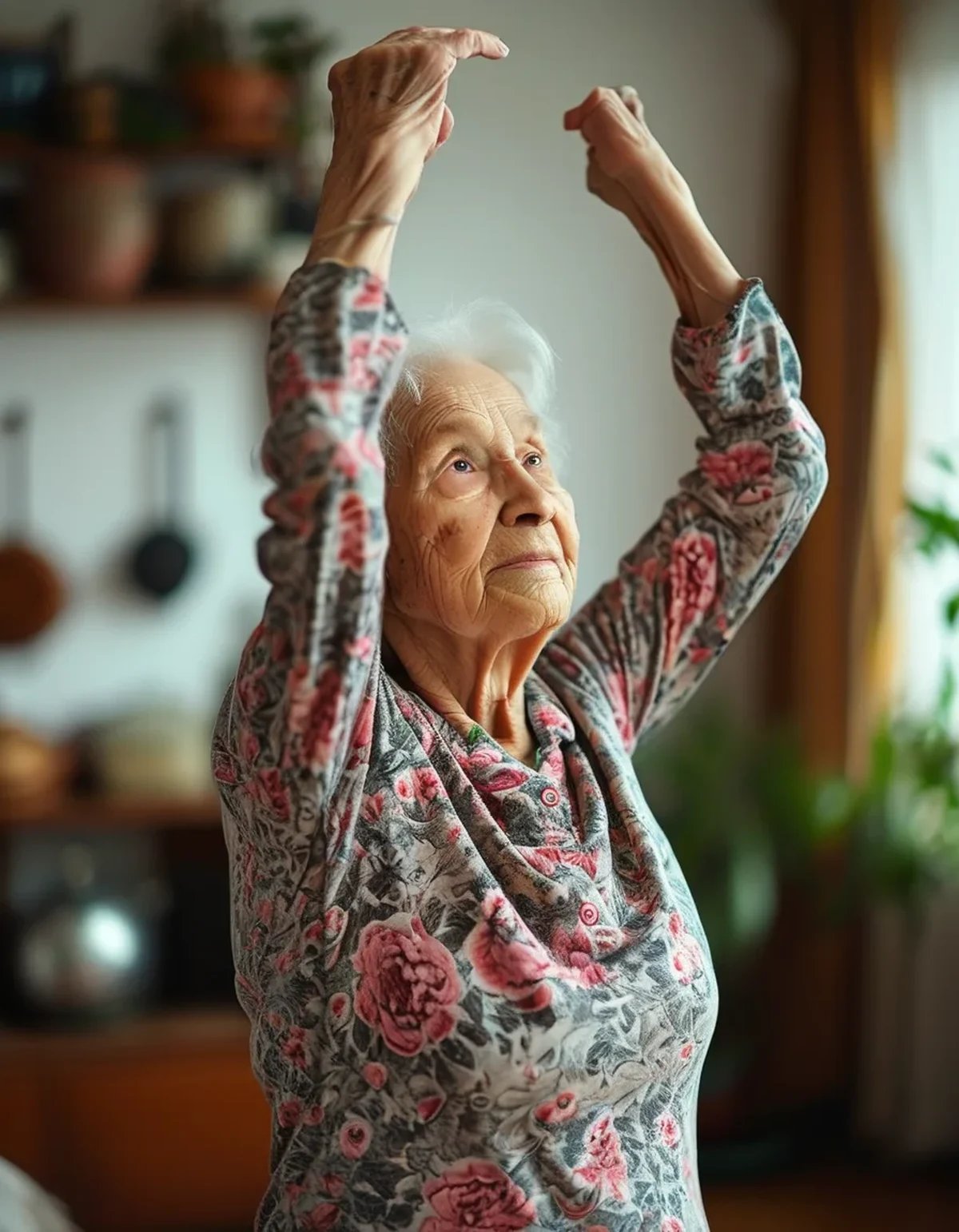
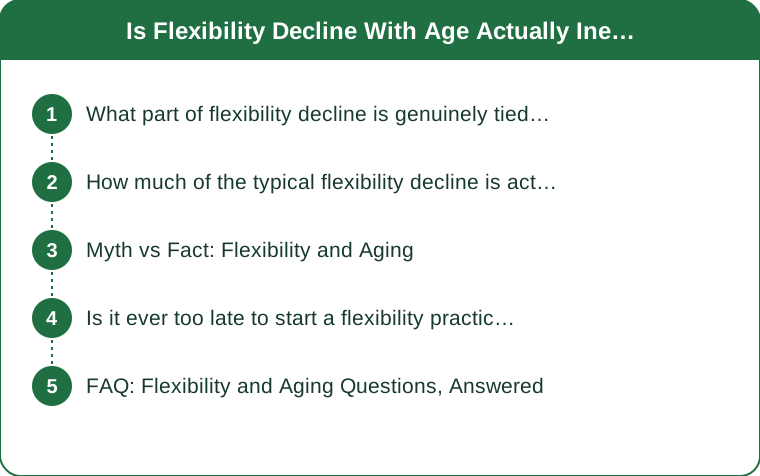
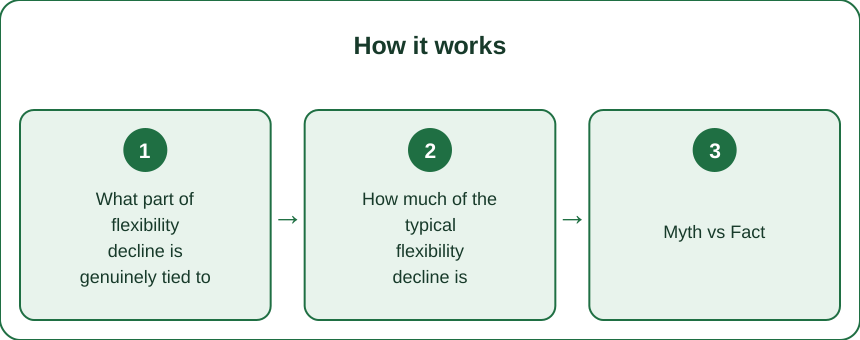
What part of flexibility decline is genuinely tied to age itself, independent of activity level?
Connective tissue (tendons, ligaments, and the fascia surrounding muscles) does undergo some genuine age-related changes in collagen structure that modestly reduce elasticity over time, which is a real physiological process independent of how active or sedentary someone is.
However, research comparing consistently active, regularly-stretching older adults to sedentary peers of the same age shows meaningfully better flexibility retention in the active group, indicating this age-related physiological change is a smaller factor than activity level in most people’s actual measured flexibility decline.
How much of the typical flexibility decline is actually attributable to reduced activity rather than age?
Studies comparing lifelong active older adults (dancers, consistent stretchers, yoga practitioners) to sedentary same-age peers show the active group retaining flexibility levels much closer to considerably younger sedentary individuals, suggesting activity level accounts for a substantial portion of typical age-related flexibility loss.
This research pattern is a strong argument that flexibility decline commonly attributed simply to ‘getting older’ actually reflects a use-it-or-lose-it pattern more than an unavoidable biological inevitability, at least within a wide range of common aging.
Myth vs Fact: Flexibility and Aging
Myth: Flexibility loss after a certain age can’t meaningfully be reversed. Fact: Consistent stretching practice shows measurable flexibility improvement even when started later in life.
Myth: Older adults should avoid deep stretching due to injury risk. Fact: Appropriately progressed stretching is generally safe and beneficial at any age, though warming up first matters more as tissue becomes less elastic.
Myth: Flexibility training only matters for athletes or dancers. Fact: Functional flexibility (hip mobility, shoulder range of motion) meaningfully affects daily activities and fall risk for all older adults.
Is it ever too late to start a flexibility practice and see meaningful improvement?
Research on stretching interventions in older adult populations, including people starting in their 70s and 80s, generally shows measurable improvement in joint range of motion within weeks to months of starting a consistent practice, indicating it’s rarely genuinely ‘too late’ to see some benefit, even if starting from a significantly reduced baseline.
The rate and ceiling of improvement may be somewhat lower than for someone who maintained flexibility training throughout life, but meaningful, functionally relevant improvement remains achievable at essentially any age with consistent practice.
FAQ: Flexibility and Aging Questions, Answered
How often does stretching need to happen to meaningfully offset age-related decline?
Most research protocols showing meaningful improvement use at least 3-5 sessions per week, though even 2-3 consistent sessions weekly show some benefit compared to no regular stretching.
Is yoga specifically better than general stretching for older adults?
Yoga offers combined flexibility, balance, and strength benefits in one practice, which is valuable, though general consistent stretching alone also shows meaningful flexibility benefit on its own.
Does joint pain from arthritis limit how much flexibility training can help?
Some forms of arthritis do limit range of motion independent of stretching consistency, so working with a doctor or physical therapist to set appropriate expectations and safe exercise parameters is worthwhile for anyone with a specific joint condition.
TL;DR:
- Some age-related connective tissue change is genuine, but it’s a smaller factor than activity level for most people
- Active older adults retain flexibility much closer to younger sedentary peers than to sedentary same-age peers
- Meaningful flexibility improvement remains achievable even starting later in life, including in your 70s and 80s
- Existing joint conditions like arthritis warrant a doctor’s input on safe, realistic expectations
The ‘inevitable decline’ framing oversells age’s role and undersells how much consistent movement actually controls. This is general information, not medical advice.
Keep Reading
This article is for general informational and styling purposes only. Fit, sizing, and product availability may vary.