Does Stretching Before Bed Actually Improve Sleep Quality?
Quick Answer: Gentle stretching before bed does have real, research-supported benefits for sleep quality, primarily by activating the parasympathetic nervous system and reducing muscle tension that can otherwise interfere with falling asleep — but the effect depends heavily on keeping the stretching gentle and slow rather than an intense flexibility session.
The type and intensity of stretching matters more here than most bedtime routine advice mentions.

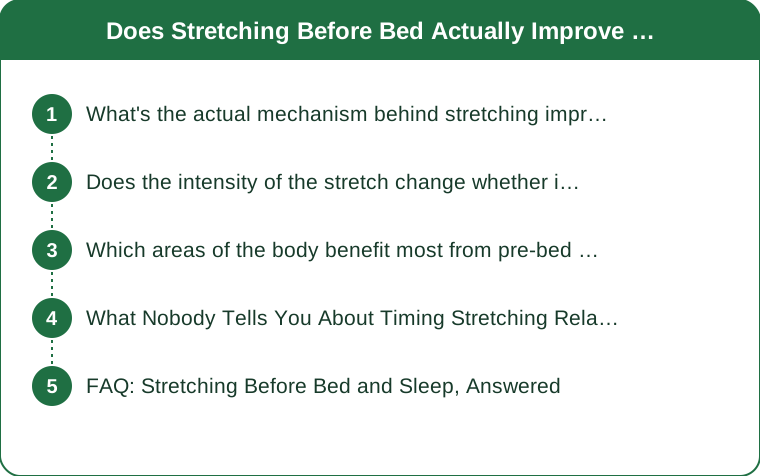
What’s the actual mechanism behind stretching improving sleep?
Slow, gentle stretching combined with controlled breathing activates the parasympathetic (‘rest and digest’) nervous system, which lowers heart rate and cortisol levels — both of which are directly linked to how quickly and how well a person falls into deep sleep.
This is a similar mechanism to why yoga and meditation-adjacent practices show sleep benefits in research, since slow stretching often incorporates the same breath-focused, low-intensity movement pattern.
Does the intensity of the stretch change whether it helps or hurts sleep?
Yes, significantly — gentle, static stretching held for 20-30 seconds per position produces the calming parasympathetic response described above, while more intense or dynamic stretching can actually raise heart rate and alertness, working against the goal of winding down before bed.
This is a common mistake: treating pre-bed stretching like a mini workout session with more dynamic movement, when the sleep benefit specifically comes from the slow, low-intensity version.

Which areas of the body benefit most from pre-bed stretching for sleep specifically?
Hips, lower back, and neck/shoulders are the areas most commonly linked to tension that interferes with comfortable sleep positioning, particularly for people who sit for long periods during the day, making these a practical focus for a short bedtime routine rather than a full-body session.
A routine as short as 5-10 minutes focused on these specific areas tends to be more sustainable as an actual nightly habit than a longer full-body stretch session, and consistency matters more than duration for the sleep benefit.
What Nobody Tells You About Timing Stretching Relative to Bedtime
Doing the stretching routine roughly 30-60 minutes before actually getting into bed, rather than immediately before lying down, gives the parasympathetic response time to build and aligns better with the body’s natural pre-sleep wind-down process, according to sleep hygiene research.
Stretching done too close to a stimulating activity (checking phone notifications right after, for example) can partially cancel out the calming effect, so pairing the stretch routine with other wind-down habits (dim lighting, no screens) tends to compound the benefit rather than relying on stretching alone.
FAQ: Stretching Before Bed and Sleep, Answered
Is foam rolling before bed a good substitute for stretching?
Foam rolling can complement a stretching routine, but it tends to be more stimulating on the nervous system than pure static stretching, so if sleep is the specific goal, gentle stretching alone is likely the better primary choice.
Does bedtime stretching help with restless leg symptoms specifically?
Some people report reduced restless leg discomfort with a consistent evening stretching routine, though this varies by individual, and persistent restless leg symptoms are worth discussing with a doctor. This is general information, not medical advice.
How long before you’d notice a sleep quality difference from a new stretching habit?
Most people who stick with a consistent routine report noticing an easier time falling asleep within one to two weeks, though the calming effect on any given individual night can be felt immediately after the stretch itself.
TL;DR:
- Gentle, slow stretching activates the parasympathetic nervous system, genuinely supporting better sleep onset
- Intensity matters — dynamic or intense stretching can work against the calming effect you’re after
- Hips, lower back, and shoulders are the most practical focus areas for a short nightly routine
- Stretching 30-60 minutes before bed, paired with other wind-down habits, works better than stretching alone
Keep Reading
This article is for general informational and styling purposes only. Fit, sizing, and product availability may vary.