The Flexibility Plateau Explained: Why Stretching the Same Way Stops Producing Range of Motion Gains
Consistent daily stretching can deliver real, satisfying range of motion gains for the first several weeks and then flatten out completely, even with the exact same routine maintained faithfully. This is a specific, well-understood plateau, not a sign the body has hit a permanent ceiling. Here is why it happens and the adjustments that restart progress.

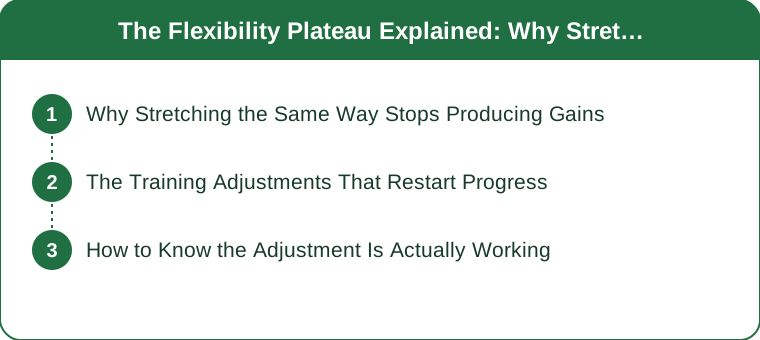
Why Stretching the Same Way Stops Producing Gains
The specific reasons: the the-early-gains-are-driven-more-by-nervous-system-adaptation-than-actual-tissue-lengthening (the initial flexibility improvement in the first weeks of a new stretching routine being driven largely by the nervous system’s stretch-tolerance adaptation rather than genuine structural tissue lengthening, per the flexibility-myths-facts-guide logic — the the-early-rapid-gains-are-mostly-nervous-system-tolerance-adaptation-not-actual-tissue-length-change), the the-once-the-nervous-system-adaptation-is-largely-complete-further-gains-require-a-different-and-slower-mechanism (the initial fast-adapting nervous system component largely completing within the first several weeks, after which any further range of motion improvement requires the much slower actual tissue adaptation process, echoing the flexibility-for-runners-guide logic — the after-the-fast-nervous-system-phase-completes-further-gains-require-a-genuinely-slower-different-mechanism), the the-static-stretching-alone-without-progressive-increase-in-stretch-intensity-or-duration-provides-a-fixed-not-increasing-stimulus-over-time (the same static stretch held for the same duration at the same intensity providing an essentially fixed, non-progressive stimulus, similar to how a fixed weight in strength training eventually stops driving further adaptation, per the how-to-improve-flexibility-guide logic — the a-fixed-non-progressive-stretch-stimulus-eventually-stops-driving-further-adaptation-the-same-way-a-fixed-weight-does-in-strength-training), and the reframe (the plateau as the predictable transition from a fast nervous-system-driven early phase to a slower phase requiring a genuinely different, progressive stimulus — not evidence that further improvement isn’t possible).

The Training Adjustments That Restart Progress
What actually works: the add-progressive-overload-to-the-stretch-itself-through-increased-duration-or-intensity-over-time (the deliberately increasing stretch hold duration or depth over time, mirroring progressive overload principles from strength training rather than repeating the identical stretch indefinitely — the applying-progressive-overload-to-stretching-itself-mirrors-the-same-principle-that-drives-continued-strength-gains), the the-incorporate-pnf-or-contract-relax-stretching-techniques-which-work-through-a-different-mechanism-than-static-holding (the proprioceptive neuromuscular facilitation and contract-relax stretching techniques working through a genuinely different neuromuscular mechanism than passive static holding, often producing renewed gains once static stretching alone has plateaued, per the hip-mobility-routine-guide logic — the pnf-and-contract-relax-techniques-work-through-a-different-mechanism-that-can-restart-progress-when-static-stretching-alone-has-stalled), the the-add-strength-training-through-the-newly-gained-range-of-motion-to-actually-consolidate-and-hold-onto-it (the strengthening the muscle through its expanded range specifically helping the nervous system trust and retain that new range, rather than only passively stretching into it, per the desk-worker-flexibility-routine-guide logic — the strengthening-through-the-new-range-helps-consolidate-and-retain-flexibility-gains-rather-than-just-passively-reaching-them), and the transition (the adjustment as applying progressive overload to the stretch itself, incorporating PNF or contract-relax techniques, and strengthening through the newly gained range to consolidate it — with a realistic sense of the timeline helping avoid abandoning the new approach too early).
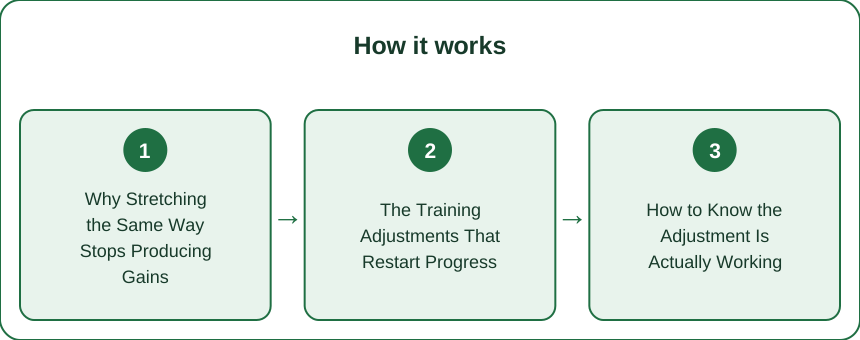
How to Know the Adjustment Is Actually Working
What progress actually looks like this time: the the-renewed-gains-from-a-changed-stimulus-are-typically-slower-and-smaller-than-the-original-early-phase-gains (the second wave of progress after adjusting the stimulus generally arriving slower and in smaller increments than the rapid early nervous-system-driven gains, since this phase reflects genuine slower tissue adaptation rather than the faster tolerance shift of the beginning — the the-slower-smaller-pace-of-renewed-gains-is-expected-and-not-a-sign-the-new-approach-isnt-working), the the-give-a-changed-approach-several-weeks-minimum-before-judging-whether-its-producing-results (the genuine tissue-level adaptation requiring a meaningfully longer trial window than the fast initial phase did, meaning judging a new approach after only a few sessions likely undercounts its actual effect — the giving-several-weeks-minimum-before-judging-a-changed-approach-matches-the-genuinely-slower-timeline-of-this-phase), and the frame (the realistic expectation as slower, smaller renewed gains than the original early phase, requiring several weeks minimum before judging whether the changed approach is working — patience matched to the genuinely different, slower mechanism now driving progress).
Consistent stretching typically delivers rapid early gains driven mostly by nervous system stretch-tolerance adaptation rather than genuine tissue lengthening, and once that fast-adapting component largely completes within the first several weeks, further improvement requires a much slower, genuinely different mechanism — meaning the same static stretch held for the same duration and intensity provides an essentially fixed, non-progressive stimulus that eventually stops driving further change, the same way a fixed weight eventually stops building strength. Restarting progress means applying progressive overload to the stretch itself by deliberately increasing hold duration or depth over time rather than repeating the identical stretch indefinitely, incorporating PNF or contract-relax stretching techniques that work through a genuinely different neuromuscular mechanism than passive static holding, and adding strength training through the newly gained range of motion specifically to help the nervous system trust and retain that expanded range. The renewed gains from these changes typically arrive slower and smaller than the original early-phase gains did, so giving the changed approach several weeks minimum before judging its effect matches the genuinely slower mechanism now driving progress, rather than abandoning it too early.
Keep Reading
This article is for general informational and styling purposes only. Fit, sizing, and product availability may vary.