How to Improve Flexibility: A Beginner's Guide
If you can’t touch your toes and assume you’re just “not flexible,” here’s some liberating news: flexibility is trainable, at any age, no matter how stiff you feel right now. It just takes the right approach and a little consistency. You don’t need to be a gymnast — you need a plan. Here’s how to become genuinely more limber.
Flexibility Is Built, Not Born
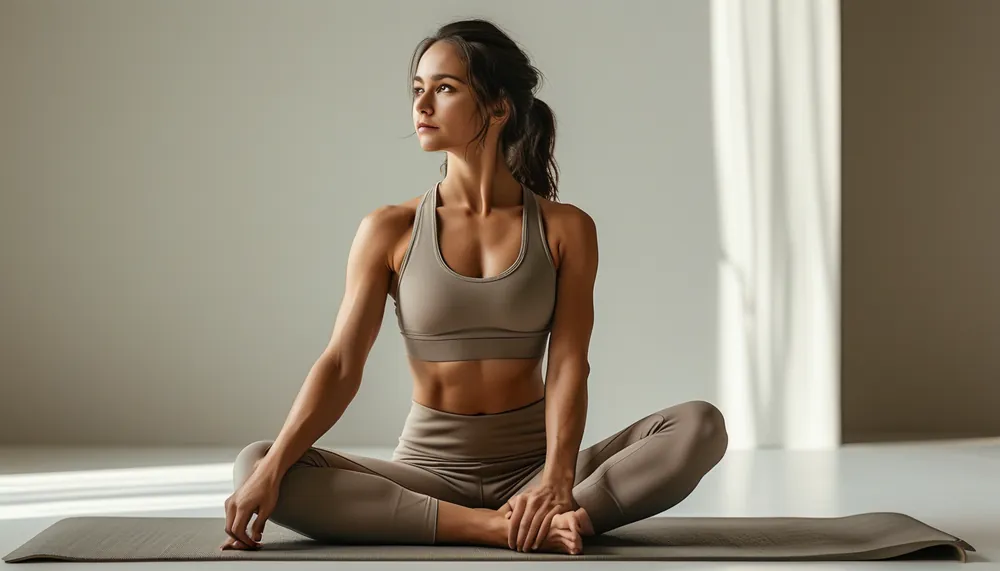
The biggest myth is that flexibility is a fixed trait you either have or don’t. In reality, consistent stretching gradually lengthens your muscles and improves your range of motion — everyone can improve with regular practice. Stiffness now just means you haven’t trained it yet. Patience and consistency are the whole secret.
The Key Principles
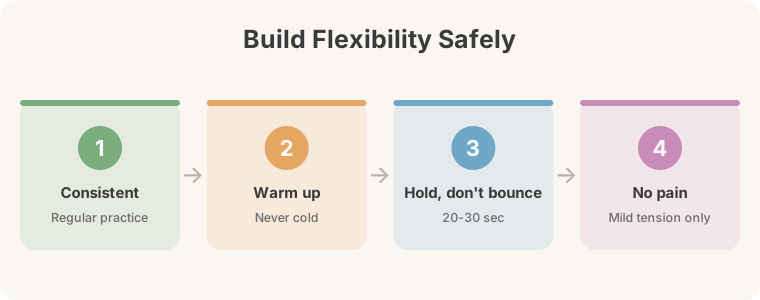
1. Stretch Consistently
Flexibility comes from regular practice, not occasional heroic stretch sessions. A little most days beats a lot once a week.
2. Warm Up First
Never deep-stretch cold muscles. A few minutes of light movement first makes stretching safer and more effective.
3. Hold, Don’t Bounce
Ease into a stretch and hold it steadily for 20–30 seconds. Bouncing risks injury; gentle sustained holds are what lengthen muscle.
4. Breathe and Relax
Deep breathing helps your muscles release. Relax into each stretch rather than forcing it.
5. Never Push Into Pain
Stretch to the point of mild tension, not pain. Pain is a signal to back off. Gentle and consistent wins; aggressive stretching backfires.
A Simple Beginner Routine
Hit the major areas a few times a week:
- Hamstrings — seated or standing forward folds
- Hips — gentle lunges and figure-four stretches
- Back — cat-cow and gentle twists
- Shoulders and chest — doorway and cross-body stretches

Bottom Line
Improve flexibility by stretching consistently, warming up first, holding (not bouncing) each stretch, breathing into it, and never pushing into pain. Flexibility is built with patient, regular practice — so start where you are and stick with it. Those toes will feel a lot closer before long. Stretch gently, improve steadily.
This article is for general wellness purposes only and isn’t medical advice.
Keep Reading
This article is for general informational and styling purposes only. Fit, sizing, and product availability may vary.